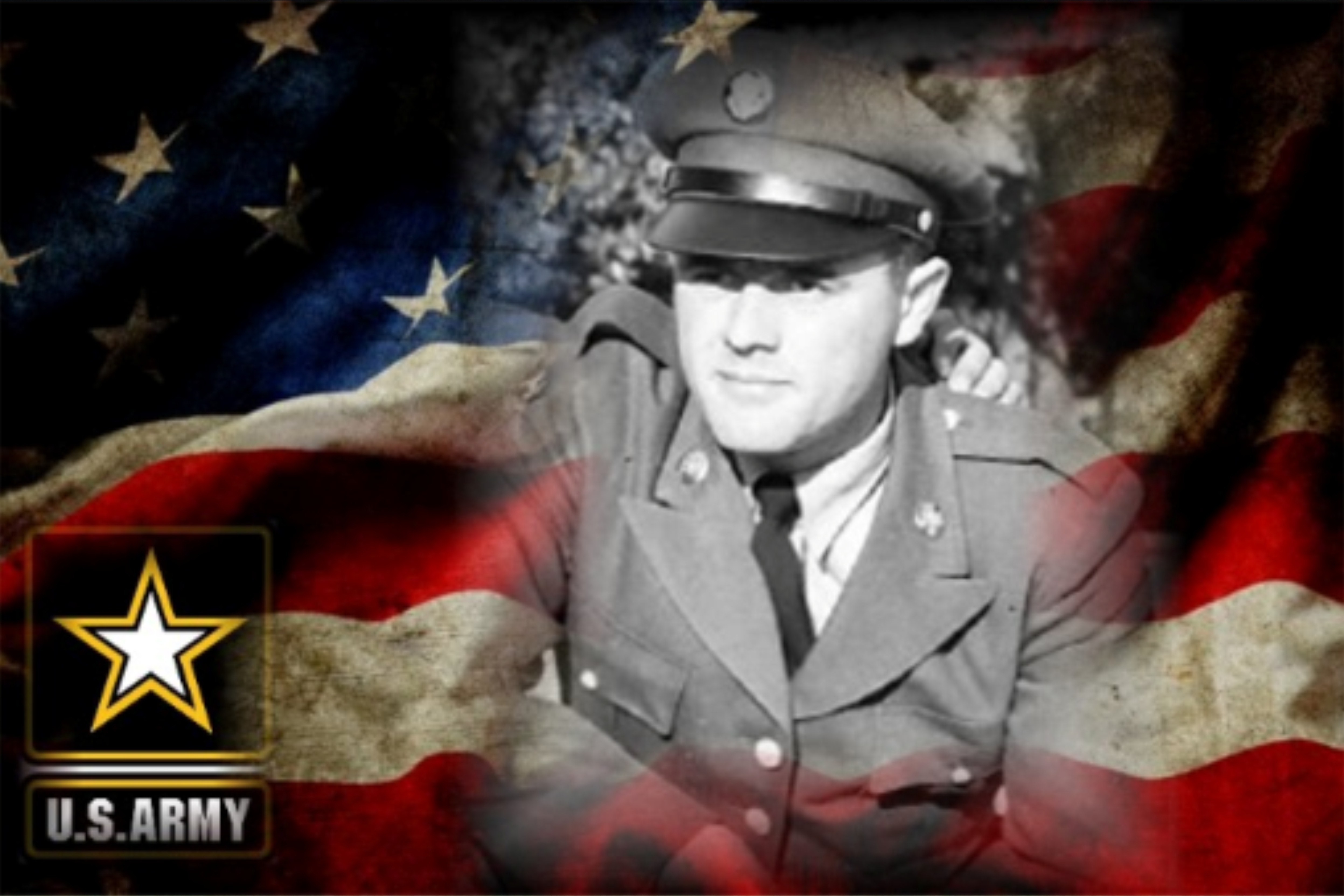
Let the memory of Jonuz be with us forever.
Obituary
Jonuz Ndreu is the son of Cen Elez and the grandson of Elez Isuf Ndreu, one of the most prominent patriots of Albania, as a popular fighter and leader of Dibra volunteers in the fight for freedom and independence against the Serbian forces. Jonuz Ndreu was born in 1930 in the village of Slovë in Dibra, from where the origin of their family is one of the most famous in that province and the entire North of Albania.
He is the penultimate son of the children of Cen Elez, the son of Elez Isufi from Sllove and Dibra, who, even during the period of the communist regime, was recognized and appreciated as one of the greatest patriots alongside Bajram Curri. Since Cen Elezi was one of the most popular nationalists and anti-communists in the whole of Northern Albania, in March 1946, the communist regime declared him an enemy.
Based on this and to escape arrest by the Pursuit Brigades, Cen Elezi left his homes in Slovo di Bra, and stayed hidden in the mountains together with some of his brothers and sons. After being on the run for some time, in 1949 he escaped from Albania and went to Yugoslavia. There he died under torture by the Slavic-Macedonian communists in the Skopje prison where he was kept in isolation for several months.
Since 1946, when Cen Elezi escaped to the mountains, the communist regime of Tirana exiled his family, with women and children, to Berat Castle. One of those children who were interned at that time in Berat, was the penultimate son of Cen Elez, Jonuzi, who at that time was no more than 14 years old. How was Jonuz Ndreu able to escape from Albania and settle permanently in the USA?
Regarding this, in an interview given by him some time ago, Jonuzi told us: "After they left us for some time in the city of Berat, we were again interned as a family in the terrible camp of Tepelena, where on average seven to eight people died in day. After staying in that camp for some time, my other brother, Tafili, and I were moved again and taken to a village in Gramsh with forced labor. As we could not bear the brutal oppression and persecution of our family, Tafili and I decided to escape from Albania.
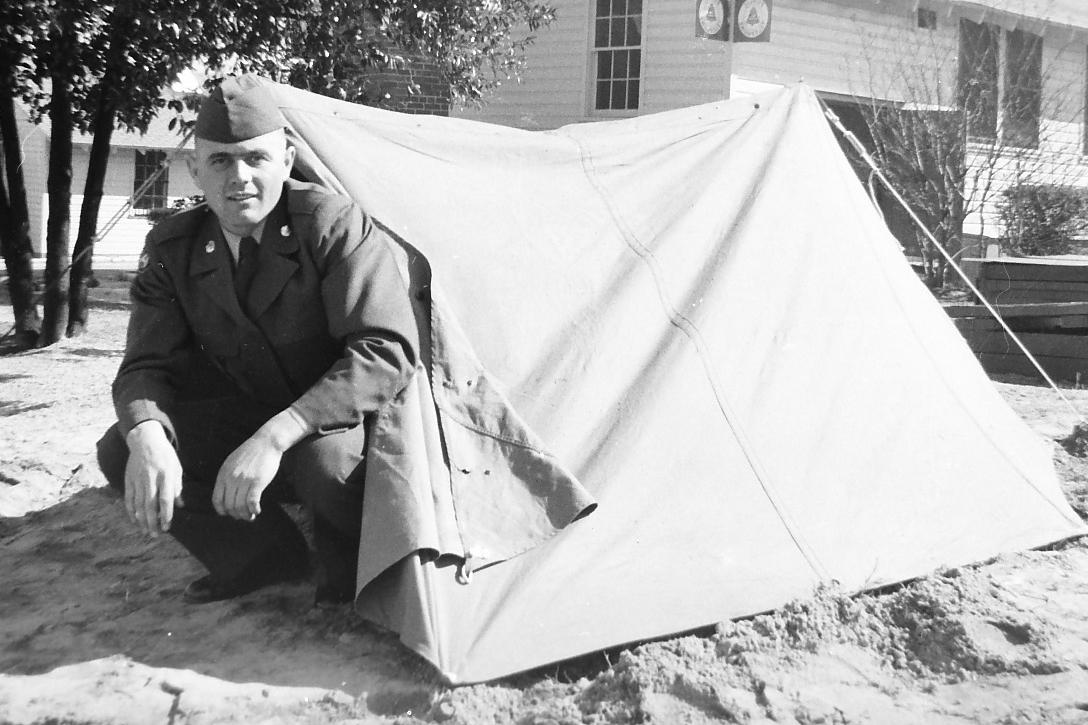
After this decision we fled from Gramshi and after staying hidden in the mountains of Dibra for some time, there from the end of 1949, we crossed the border illegally and came out to Yugoslavia, along with some people like; the son of Fiqëri Dines, Xelali, Abdullah Kaloshi and Muhamer Kadriu. In Yugoslavia we spent some time in jail. We were left for some time in the Gerova camp in Croatia and then with the help of a charity we were able to go to Italy as political asylum seekers. After we spent some time in Italy, I was able to go to the Federal Republic of Germany where I served for some time in one of the American bases that were located in that country at the time. After serving for five years near that military base, I was released as a civilian and from there immigrated to the United States of America, where I joined some other members of our tribe, who had been living there as political asylum seekers for years. recalled Jonuz Ndreu leaving Albania and settling in the USA".
Jonuz Ndreu is the brother of Isa Ndreu, one of the most famous exponents of the Albanian political diaspora before the 90s, who has lived and worked in Italy for many years. Isai together with the other political immigrant, Lec Shllak, originally from Shkodra and resident in France, for years published the magazine "Koha Jonë", (all with anti-communist content against the communist regime of Enver Hoxha) and apart from that, they are very well known for the great contribution they gave to the placement of the Skanderbeg monument in a Paris square in 1978.
Regarding this, Jonuz Ndreu told us: "That thing concluded exactly that day that all Albanians everywhere in the world celebrated with greatness the 100th anniversary of the Albanian League of Prizren. The approval of the request of the Albanian community of Paris, represented by Lec Shllaku, Skënder Zogu and Isa Ndreu, was made after many efforts by Mr. Zhak Chirak, who at that time was the Mayor of Paris. By giving the name of Skenderbeu to the "Villa Lumier" square in Paris, Mr. Jacques Chirak not only fulfilled a request of the Albanians living in that city, but he raised the prestige and pride of Albania by making our National Hero, Gjergj Kastrioti Skënderbeu, to be known even more in the world"
Although Isa Ndreu continued to live in Florence, Italy, and Lec Shllaku in the French capital, Paris, they both never cut ties and constantly met each other both in France and Italy. Regarding this and their activity in the management of the well-known magazine with anti-communist content "Koha e Jonë" as well as the political activity in the management of the Democratic Union Party, Jonuz Ndreu told us: "My brother Isa Ndreu, together with his friend closely, the well-known publicist of the Albanian anti-communist diaspora, Lec Shllaku, the old friendship that they had started when they were together in the banks of the "Normal" school in Elbasan and had continued during their studies at the University of Florence, they kept again even after World War II. In those years, my brother Isai devoted himself to private business, dealing with trade, while Lec Shllaku continued his academic work as an intellectual and publicist. In 1962, when the Soviet Union led by Nikita Khrushchev showed signs of a liberal policy and approached the United States of America, they had the idea to publish and issue a magazine with anti-communist content. They made this idea a reality that same year, publishing the magazine with the title "Our Time", which they continued to publish regularly once a month for more than 30 years in a row. On its pages, many articles were collected and published by well-known personalities of the Albanian anti-communist diaspora, publicists and well-known writers located in countries around the world, such as: Arshi Pipa, Tahir Kolgjini, Martin Camaj, Petër Prifti, Xhevat Kallajxhi, Hasan Dosti, Monsignor Zef Shestani, Ragip Frashëri, prof. Miftar Spahia, Ndue Pjeter Gjomarkaj, Gjon Gjomarkaj, Hiqmet Ndreu, Fehmi Kokalari, Adem Hodo, Isuf Luzaj, Ago Agaj, Rreshat Agaj, Mentor Qoku, Gjon Sinishta, Kimete Basha, Renzo Falaski, Nermin Vlora (Falaski) Vebi Imam Ismaili, Baba Rexhepi etc. In the pages of the magazine, the culture, tradition, folklore and history of the Albanian people were truthfully reflected, which was distorted in the most barbaric way by the communist regime of Enver Hoxha in Albania. That magazine became a forum for the free thought of dozens and dozens of Albanian intellectuals from all over the world, whose words were never censored as it was done in our homeland occupied by Enver Hoxha's communist clique. Although my brother Isai was the sole financier of that magazine, he never claimed to earn a single dollar from it, but instead he distributed it for free throughout the world where the Albanian community lived. But even that magazine had its problems and the two publishers, Isa Ndreu and Lec Shllaku, had numerous consequences from the pressures that were initiated and orchestrated by official Tirana and its communist leadership led by Enver Hoxha. Given that in Italy the communist left was closely connected and regularly financed by the communist regime of Enver Hoxha,Isai and Lec Shllaku, who published that magazine in Florence, were forced to put its address as if it was published in Paris", testified Jonuz Ndreu, for his brother, Isa Ndreu, and Lec Shllaku, who for more than 30 how many years in a row they published the magazine "Our Time" in Florence, Italy.
While Isa Ndreu lived in Florence, Italy, his brother, Jonuzi, from that time until today, when he passed away, lived in New York, where until a few years ago he worked as a caretaker in an apartment complex of a very expensive company. known In addition to that private work, Jonuz Ndreu is known in the entire community of Albanians living in the USA, also as an activist and member of the leadership of the patriotic association "Vatra", and for his activity in the ranks of the anti-communist exile who has been living for years in that distant land across the Atlantic.
Jonuz Ndreu enjoyed so much popularity in the American Albanian community that when he was admitted to a hospital after a car accident, hundreds and hundreds of his Albanian compatriots from the diaspora went to visit him. That made a great impression on the hospital doctors, who asked in amazement who their patient was. After the 90s with the collapse of the communist regime, Jonuz Ndreu came several times to Albania, to see relatives of his family and tribe who had suffered in camps and prisons from 1947 to 1991.
In 2013 Jonuz suffered a stroke which left him in a wheelchair with little mobility and use of his left hand. In spite of his stroke, he continued with his crusade and a leader amongst his peers and the hierarchy of the Ndreu family.
On his 90th birthday along with many others he tested positive for Covid-19. Yet even with this disease that killed millions, and paralyzed the world, he fought it and beat Covid. Two weeks later it was time for him to rest. He died peacefully with his family by his side in his home that he called SLLOVE, in Warwick, NY.
He was survived by his wife, Igbale, his daughters and his grandchildren. If we can describe Jonuz Elezi Ndreu it would be, “And think of him as living in our hearts of those he touched… for nothing loved is ever lost and he was loved by so much.”
Resting place · Laurel Grove, Totowa, NJ
Honor Jonuz
A gesture of sympathy in their memory.
Photos & media
View gallery ›



Tributes
Be the first to leave a tribute.